

Protein Soda & Clear Protein Drinks: Worth It or Hype?
Protein soda and clear protein drinks are a 2026 fitness trend. Learn when they help, when the label is a trap, and what to check before buying one.
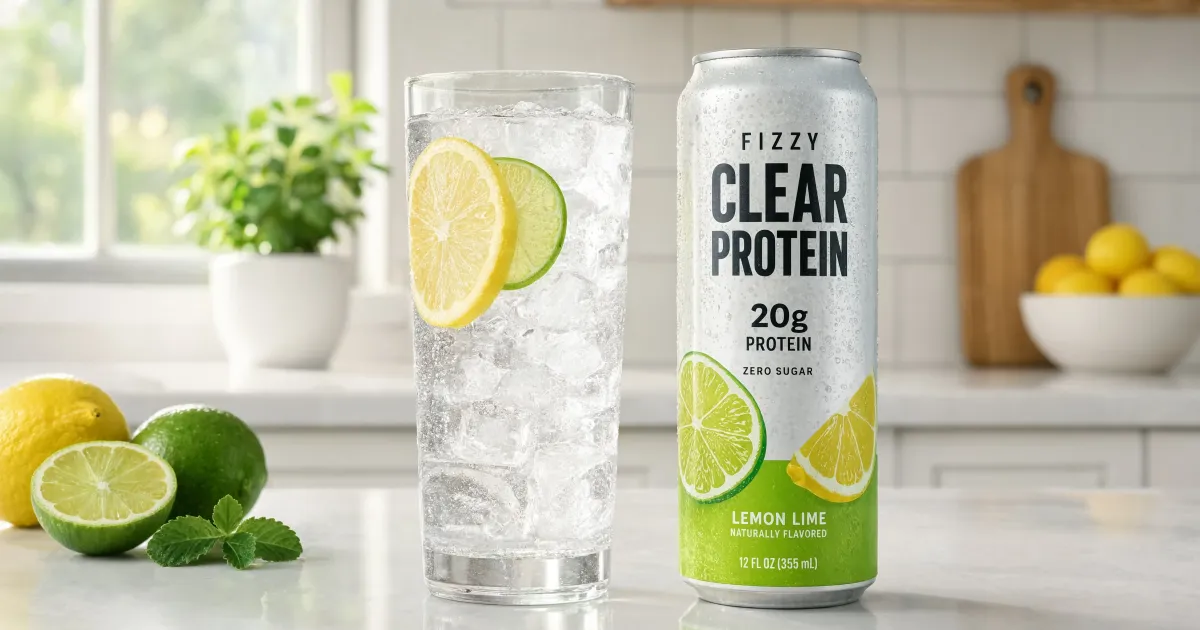
Key Takeaways & Summary
Protein soda and clear protein drinks are a 2026 fitness trend. Learn when they help, when the label is a trap, and what to check before buying one.
Macro & Recipe Nutrition Calculator
Calculate calories, protein, carbs, and fat per serving for home recipes.
Think of clear whey protein as a personal convenience tool—not an essential requirement. Do not follow fitness marketing trends blindly.
Protein Soda and Clear Protein Drinks: Useful Trend or Label Trap?
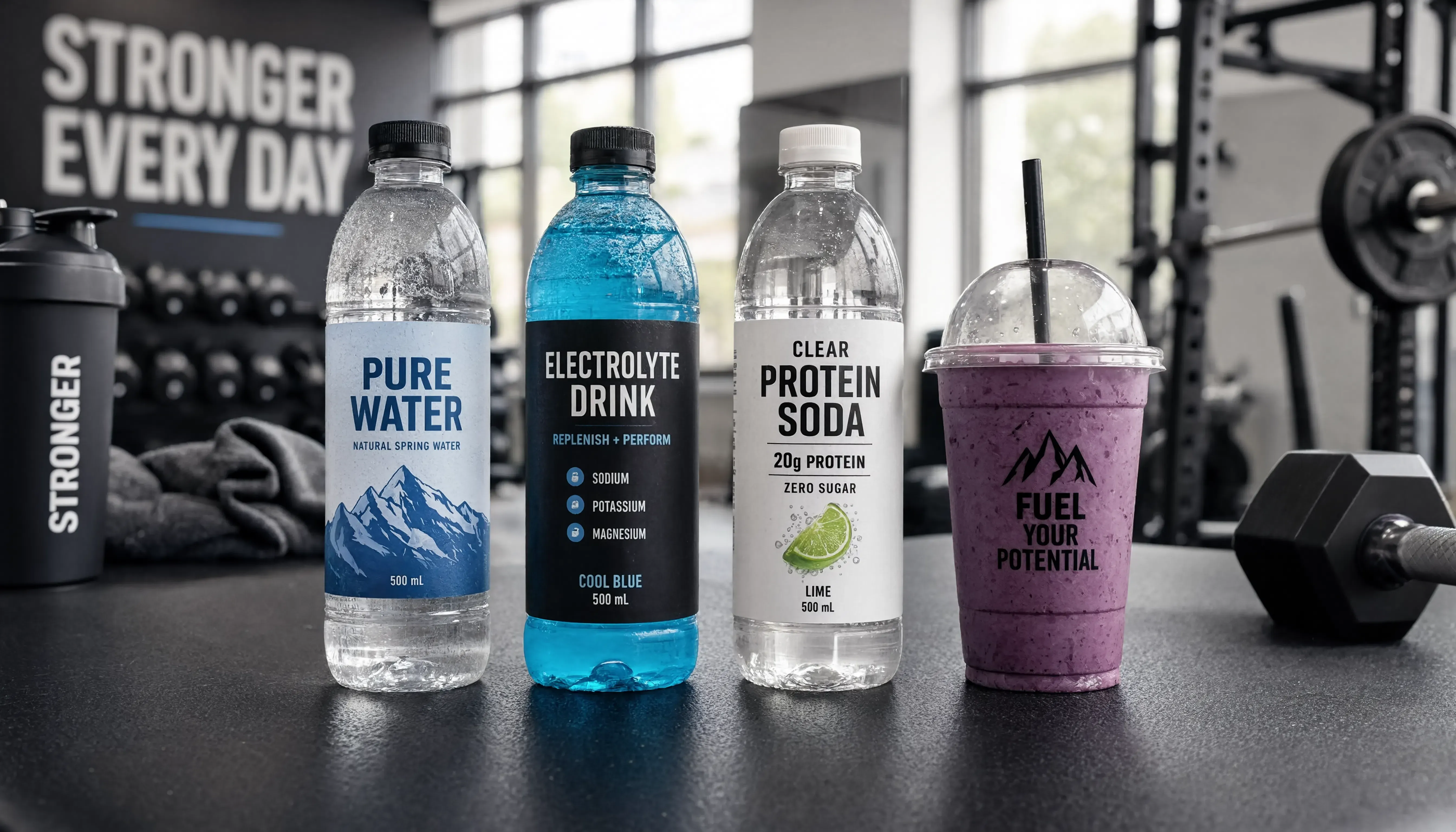
Protein soda sounds like a parody of modern wellness culture until you examine retail shelves. Functional protein is now infused into coffee, cereals, snack bars, ice cream, and clear fizzy sodas. The trend is no longer confined to hardcore bodybuilders; it is aggressively marketed to desk workers, commuters, individuals on GLP-1 weight-loss medications, and casual fitness enthusiasts seeking a lighter alternative to thick shakes.
There is a genuinely useful application for this trend: clear protein drinks provide a convenient, refreshing bridge when breakfast was light, appetite is suppressed, or summer heat makes thick dairy shakes unpalatable.
However, there is also a marketing trap: assuming any sparkling beverage with “20g Protein” stamped on the front is a healthy superfood, even when the formula is packed with artificial sweeteners, synthetic thickeners, hidden caffeine, and an exorbitant price tag.
Nutrition Disclaimer: This article is for general educational purposes only and does not constitute medical advice. Consult a qualified physician or registered dietitian before making substantial dietary changes, especially if you have renal, hepatic, or digestive health conditions.
Quick Read Before You Buy the Trend
If protein sodas and clear whey drinks are all over your social feeds, apply this simple filter:
- If your daily protein target is already covered by meals: A protein soda is just an expensive carbonated treat.
- If breakfast or lunch consistently lacks protein: A 20g clear drink can serve as a convenient, low-calorie bridge.
- If the can has hidden caffeine, excess sugar, or heavy fiber additives: Read the nutrition panel carefully before making it a daily habit.
This guide is part of our comprehensive nutrition cluster. Review the proteinmaxxing guide for realistic daily requirements, high-protein breakfast ideas for whole-food morning options, and the caffeine cutoff guide if your functional drink also contains stimulants.
Why Protein Drinks Are Trending Now
Three major industry shifts have converged:
- Mainstream Protein Awareness: Fitness media and clinical reporting have connected muscle retention, metabolic rate, and higher protein intake to body recomposition. Mainstream coverage (including The Guardian’s July 2026 whey market analysis) highlights how protein transitioned from bodybuilding tubs into everyday functional lifestyle foods.
- Beverage Formats Replacing Shakes: Lifestyle publications including Vogue recognized protein sodas as a major functional wellness trend, driven by consumer demand for portability and hydration.
- Texture Innovation (Clear Whey Hydrolysates): Clear protein powders utilize micro-filtered, acidified whey protein isolate that dissolves into a translucent, fruit-juice consistency without any milky chalkiness.
What Counts as Protein Soda?
Protein soda generally falls into three categories:
- Ready-to-Drink (RTD) Cans: Carbonated water flavored with citrus or berry, fortified with 15–20g of clear whey or plant isolate.
- Homemade Sparkling Mixes: Clear whey isolate powder mixed with carbonated water or diet soda.
- Multi-Functional Energy Drinks: Beverages combining protein with electrolytes, caffeine (100–200mg), vitamins, and prebiotic fibers.
The question is not whether the drink is fashionable. The question is whether it helps you hit an evidence-based daily intake efficiently.
Start With Your Daily Protein Target
Most adults do not need excessive protein supplements. You need an appropriate intake based on your body weight, activity level, and goals.
| Goal or Context | Useful Daily Protein Range |
|---|---|
| General Healthy Adult Baseline | about 0.8 g/kg/day |
| Active Lifestyle or Beginner Lifting | 1.2 to 1.6 g/kg/day |
| Consistent Strength Training or Fat Loss Phase | 1.4 to 2.0 g/kg/day |
| Clinical, Renal, or Pregnancy Contexts | Consult Individual Specialist |
For a 70 kg individual lifting 3–4 days per week, an optimal target is 85 to 112 grams per day. If your meals already supply that amount, a protein soda is redundant. If you consistently fall short due to busy mornings, a single 20g clear drink can bridge that gap effectively.
- Use the Protein Calculator to determine your daily baseline.
- Use the Protein per Meal Calculator to distribute your intake evenly across breakfast, lunch, and dinner.
The Label Checklist: What to Check Before Buying
Before purchasing a ready-to-drink can or clear protein powder, scan these seven criteria in order:
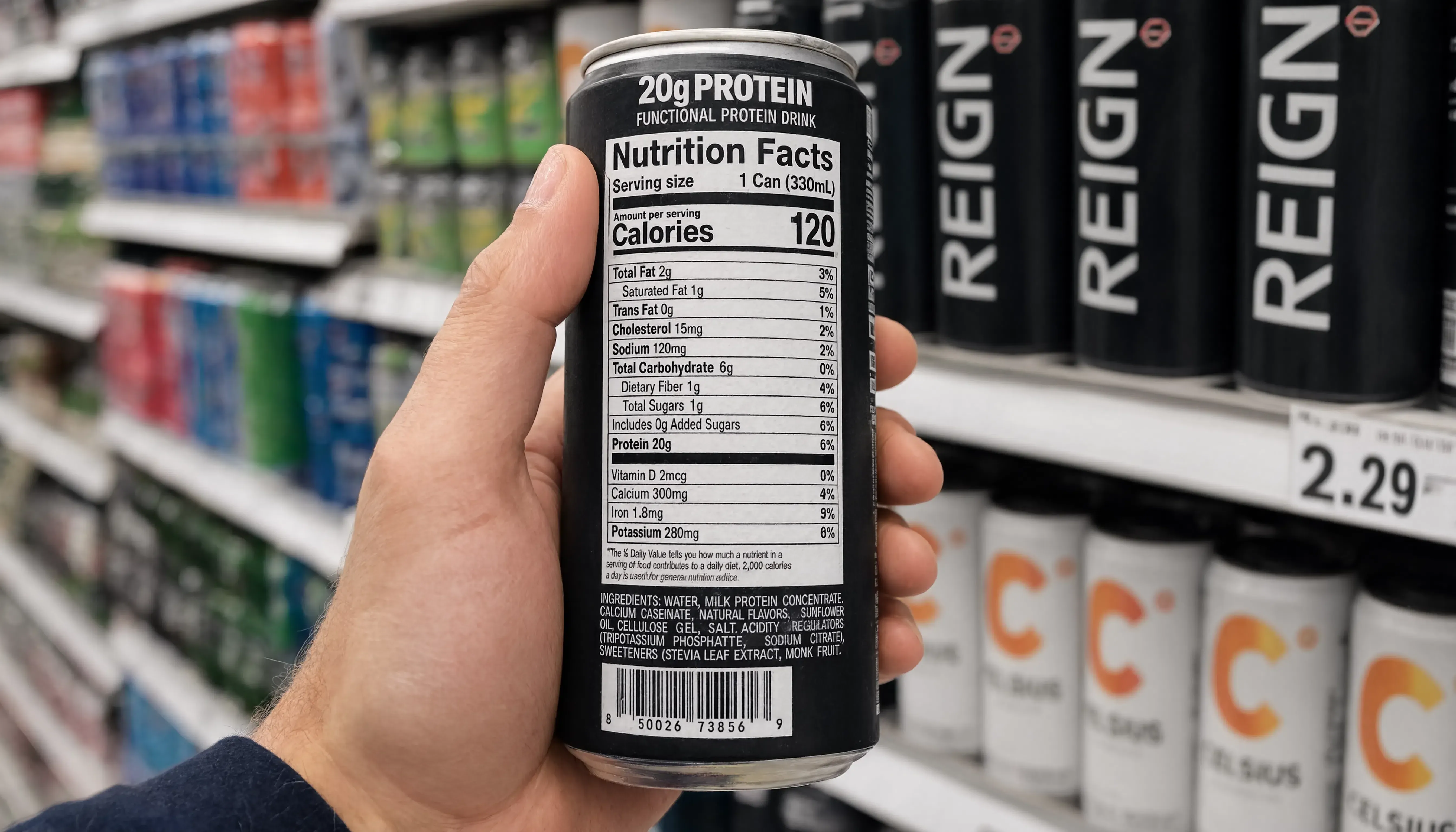
1. Protein Grams (15g – 30g)
A worthwhile functional drink supplies at least 15 to 25 grams of complete protein. Anything under 10 grams does not warrant supplement pricing.
2. Total Calories
Pure 20g clear whey isolate contains only ~80 to 90 kcal. If the can exceeds 160 kcal, check where the extra energy comes from (carbohydrates or added fats). For fat loss, keep drinks aligned with your target in the Calorie Deficit Calculator.
3. Added Sugar
A protein claim does not offset high added sugar. Prioritize options with zero or less than 2 grams of sugar per serving.
4. Added Prebiotic Fiber
Some functional drinks add 8 to 12 grams of synthetic inulin or soluble corn fiber. Introducing large doses of isolated fiber rapidly into an empty stomach can trigger acute bloating, gas, and cramping.
5. Hidden Caffeine Content
Many functional carbonated drinks quietly double as energy drinks (containing 100 to 200 mg of caffeine). Consuming these after 2 PM can severely compromise deep sleep architecture and hormonal recovery.
6. Bioavailable Protein Source
Whey Protein Isolate (WPI) and Hydrolyzed Whey provide superior leucine content and complete amino acid profiles. Pure collagen drinks lack tryptophan and are inferior for muscle protein synthesis.
7. Vague Marketing Claims
Disregard buzzwords like “detoxifying,” “toning,” or “metabolism igniting.” Base your purchasing decision solely on the nutrition panel and ingredient list.
When Protein Soda Is Actually Useful vs. When to Skip
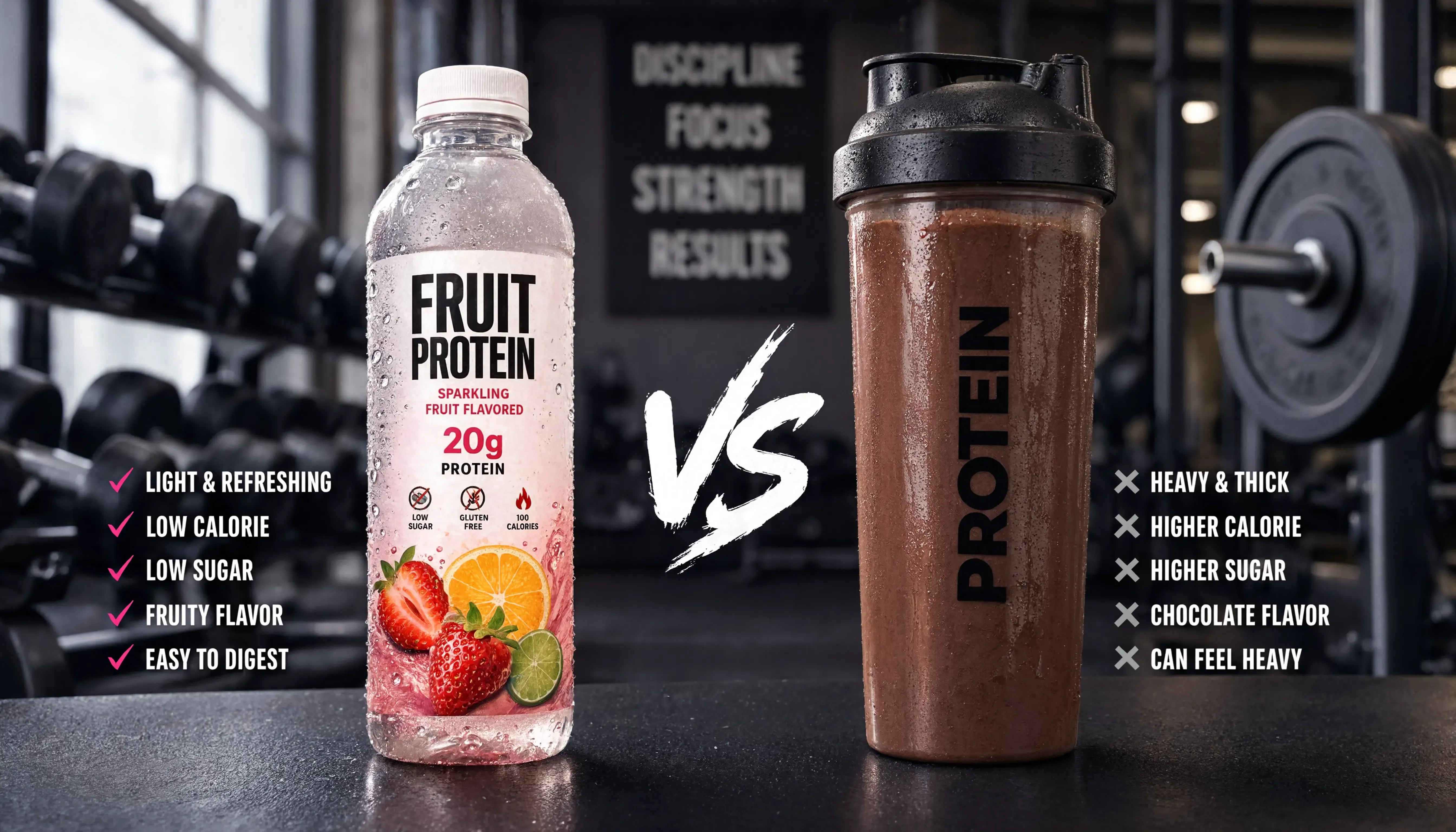
When It Makes Sense
- Hot-Weather Workouts: Refreshing and easy to drink when summer heat makes dairy shakes heavy.
- Soda Replacement: Replaces 150 empty liquid sugar calories with 20g muscle-sparing protein.
- Low Appetite & GLP-1 Support: Provides quick amino acids when full solid meals feel unappealing.
- Desk & Travel Convenience: Requires no shaker bottles, refrigeration, or immediate dishwashing.
- Strict Calorie Deficits: Supplies high-purity protein for under 100 kcal with zero fat.
When to Skip
- Target Already Met: If whole food meals meet your daily protein quota, spending on protein soda provides zero additional benefit.
- Price Markup: Pre-mixed RTD protein cans often cost 2x more per gram of protein than standard whey powder.
- Digestive Sensitivity: Carbonation combined with artificial sweeteners and acidity can trigger reflux in sensitive stomachs.
- Late Evening Caffeine: Drinking caffeinated functional sodas in the afternoon impairs sleep.
- Displacing Whole Foods: Liquid supplements should never replace nutrient-dense meals containing micronutrients, fiber, and healthy fats.
How to Make Homemade Clear Protein Soda (No Foam Explosions)
Ready-to-drink cans often cost upwards of ₹200–₹300 ($3–$4) per can. You can make your own sparkling clear protein soda at home for a fraction of the cost.
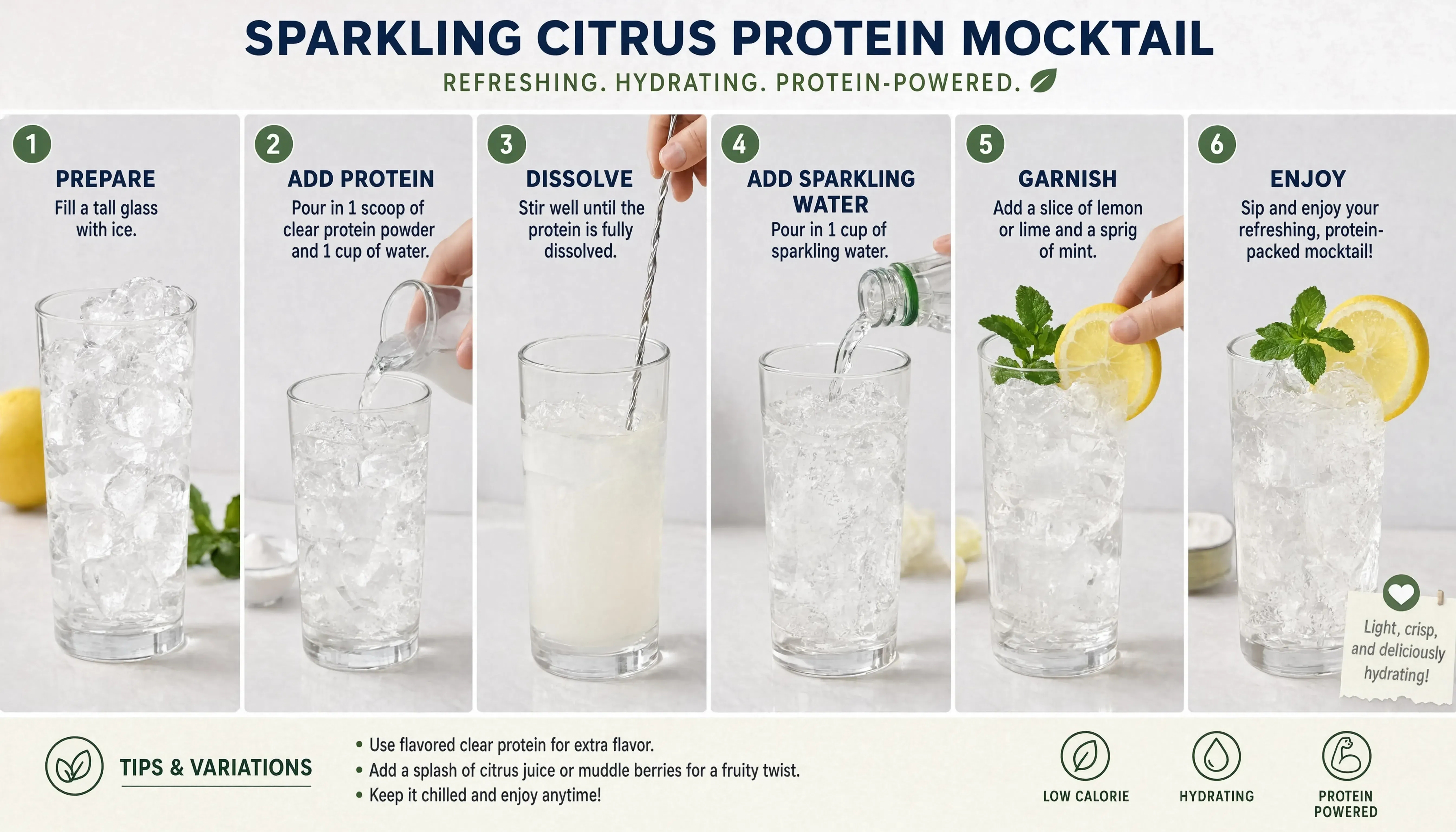
- Pre-Dissolve in Still Water: Mix 1 scoop of clear whey isolate in 50–75 ml of room-temperature still water first. Stir until completely dissolved and translucent.
- Use a Large, Tall Glass: Never shake carbonated beverages in a sealed shaker cup—the pressure buildup will cause an explosion.
- Pour Slowly at a 45° Angle: Tilt your glass and slowly pour chilled sparkling water or sugar-free lemon soda down the inner side wall to retain carbonation without aggressive head foaming.
- Garnish & Chill: Add 3–4 ice cubes and a fresh squeeze of lemon or lime to cut any lingering whey astringency, producing a crisp, mocktail-quality drink.
Better Drink Choices by Goal
| Goal | Best Default Beverage | When Protein Soda Fits |
|---|---|---|
| 🎯 Fat Loss | Water, unsweetened tea, black coffee, high-protein solid meals | When replacing a high-calorie snack under a calorie deficit |
| 💪 Muscle Gain | Whole milk, fruit smoothies, whey shakes, balanced whole meals | When appetite is blunted or dense meals are delayed |
| 🌡️ Hot-Weather Training | Chilled water + electrolytes (sodium, potassium) | When you desire light hydration paired with amino acids |
| 💼 Busy Workday | Planned whole-food protein (Greek yogurt, eggs, paneer, tofu) | When unexpected meetings prevent a timely solid meal |
| 🥗 Optimal Digestion | Whole foods, gradual dietary fiber, plain water | Only if carbonation and non-nutritive sweeteners agree with your gut |
To track your macros and recipe breakdowns, utilize the Macro Calculator and the Recipe Nutrition Calculator.
Common Mistakes to Avoid
- Relying Solely on the Front Label: “20g Protein” tells only part of the story. Always inspect calories, sweeteners, caffeine, and serving sizes.
- Drinking Protein Instead of Eating Real Meals: Liquid calories lack the thermic effect of food and satiety provided by solid fiber and lean meats.
- Expecting Muscle Growth Without Progressive Overload: Drinking protein without resistance training will not stimulate muscular hypertrophy.
- Stacking Too Many Additives: Combining high doses of synthetic fiber, caffeine, and sugar alcohols can cause acute digestive distress.
- Treating Novel Trends as Daily Essentials: Supplements are optional convenience tools designed to support—not replace—a well-structured diet.
Verdict: Great Convenience, Steep Markup
Clear whey technology is a legitimate innovation: it delivers 20–25g of pure isolate in a light, fruity format that digests easily during hot summers.
However, per gram of protein, ready-to-drink protein sodas are 1.5x to 2x more expensive than regular whey isolate. If the crisp, fizzy format is the only way you can hit your daily protein intake, the cost is justified. Otherwise, mixing clear whey or standard isolate with cold water and fresh lemon at home provides 85% of the experience at half the price.
Sources & Research Reviewed
- Trend Analysis: Vogue, The Biggest Wellness Trends of 2026.
- Whey Industry Analysis: The Guardian, Whey Protein Boom & Proteinmaxxing Coverage.
- Clear Protein Chemistry: Good Housekeeping, Clear Protein Explained.
- ISSN Position Stand: Journal of the International Society of Sports Nutrition, Protein and Exercise Stand.
- Label Standards: U.S. Food and Drug Administration, Nutrition Facts Label Guidelines.