

Rest Day and Recovery Guide: What Beginners Should Do Between Workouts
Learn how rest days help beginners recover, reduce burnout, and train more consistently without feeling like progress has stopped.
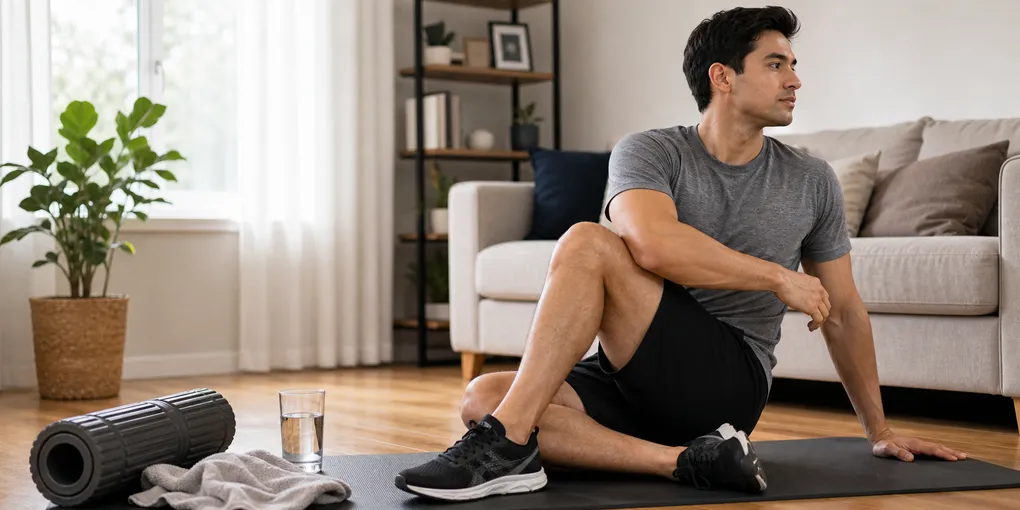
Many beginners think progress only happens during the workout. Training matters, but recovery is where your body adapts.
A rest day is not a failed day. It is part of the plan.
Why recovery matters
Workouts create stress. That stress can be useful when your body has time to recover. Without recovery, the same plan can lead to soreness, poor sleep, low motivation, and weaker workouts.
Recovery helps you:
- Train again with better energy
- Keep technique clean
- Reduce burnout
- Manage soreness
- Build a routine you can repeat
What to do on a rest day
You do not have to sit still all day. Choose light activity that feels refreshing.
Good options:
- Easy walking
- Gentle stretching
- Mobility work
- Light cycling
- Relaxed swimming
- Preparing meals for the week
Keep effort low. A rest day should not secretly become a hard workout.
Active recovery vs full rest
Active recovery means easy movement. Full rest means no planned exercise.
Use active recovery when you feel a little stiff but otherwise fine. Use full rest when you feel exhausted, unusually sore, or mentally drained.
Both are valid.
Signs you may need more recovery
Watch for:
- Soreness that lasts several days
- Lower performance every session
- Poor sleep after training
- Irritability or low motivation
- Joint discomfort
- Feeling tired before the workout starts
If these repeat, reduce volume or intensity for a week.
Recovery basics that actually help
Focus on simple inputs:
- Sleep at a regular time
- Eat enough protein
- Drink water regularly
- Avoid training the same muscles hard every day
- Use lighter sessions after hard days
You do not need expensive recovery tools before these basics are handled.
Log recovery in asterisks
Add short notes like “legs sore,” “slept well,” or “easy walk.” Over time, you will see which workouts need more recovery and which routines fit your life.
Safety note
This article is general fitness information, not medical advice. If fatigue, pain, or sleep problems persist, speak with a qualified health professional.