

What to Eat Before & After a Workout: Simple Timing Guide
Learn what to eat before and after a workout, how meal timing affects energy, and simple beginner-friendly recovery meals.
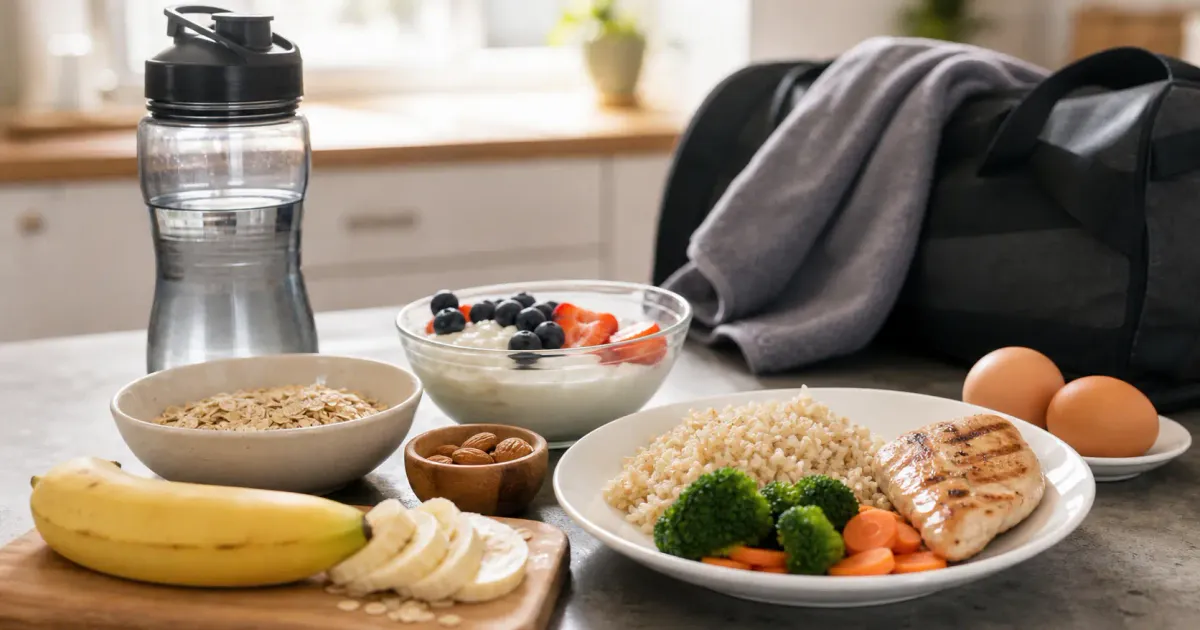
Key Takeaways & Summary
Learn what to eat before and after a workout, how meal timing affects energy, and simple beginner-friendly recovery meals.
When you start exercising regularly, you quickly realize that food is not just about calories—it is about fuel. What you eat, and when you eat it, can make the difference between a workout where you feel strong and energetic, and one where you feel sluggish and lightheaded.
Useful “what to eat before workout” advice must fit your experience. Respect your starting point.
For beginners, the advice surrounding “pre-workout” and “post-workout” nutrition can seem overly complicated, filled with supplements, exact protein ratios, and strict “anabolic windows.” The truth is much simpler. Here is a practical guide to timing your meals to support your fitness routine without overthinking it.
The Goal of Pre-Workout Nutrition
The primary goal of eating before you exercise is to provide your body with accessible energy and prevent your blood sugar from dropping while you train.
Your body’s preferred source of quick energy is carbohydrates. When you eat carbs, your body breaks them down into glucose, which fuels your muscles.
If you have 2-3 hours before your workout:
You have time to digest a standard, balanced meal. This is the ideal scenario. A meal containing complex carbohydrates, some lean protein, and a little bit of fat will give you sustained energy. Example: A chicken wrap with brown rice, or a bowl of oatmeal with eggs.
If you have 30-60 minutes before your workout:
You need something that digests quickly. Avoid heavy fats and large amounts of fiber, as these slow down digestion and can make you feel nauseous or heavy while moving. Focus on simple carbohydrates that provide fast energy. Example: A banana, a slice of toast with a thin spread of jam, or a small handful of pretzels.
If you have 60-90 minutes before your workout:
A light meal or snack can bridge the gap. Yogurt with fruit, oats with milk, toast with eggs, or a small smoothie are easy starting options. Choose foods you already know you tolerate.
If you have only 15-45 minutes:
Keep the portion small and mainly carbohydrate-based. A banana, a few dates, or a slice of toast may be enough. Avoid experimenting with a new food before a hard or important session.
The Pre Workout Meal Timing Calculator can help map these ranges to your schedule.
What about early morning workouts?
If you work out first thing in the morning, you might not want to eat anything at all. This is called “fasted training.” For light cardio or a short, moderate workout, this is generally fine if you feel okay doing it. However, if you are planning a heavy strength session or an intense workout, trying to eat a small piece of fruit 20 minutes before can significantly improve your energy levels.
The Goal of Post-Workout Nutrition
After a workout, your body has two main priorities: replenishing the energy (glycogen) you just burned and repairing the muscle tissue you broke down.
For years, fitness magazines promoted the idea of an “anabolic window”—a strict 30-minute period after exercise where you absolutely had to consume a protein shake or your workout was wasted. Science has since shown that this window is much larger than previously thought.
The Realistic Post-Workout Window
While you do not need to sprint to the locker room to chug a protein shake, you should aim to eat a balanced meal within one to two hours after finishing your workout.
This meal should prioritize two things:
- Protein: To provide the building blocks (amino acids) your muscles need to repair and grow stronger.
- Carbohydrates: To restock your energy stores so you feel recovered rather than depleted for the rest of the day.
Example: Greek yogurt with berries, a turkey sandwich, or a standard dinner of fish, potatoes, and vegetables.
Easy alternatives include eggs with toast and fruit; rice, dal, curd, and vegetables; a chicken, paneer, or tofu rice bowl; or a milk-and-banana smoothie with protein powder when normal food is not convenient. The Post Workout Nutrition Calculator can provide a starting target.
A practical protein range for many adults is 25 to 40 grams at a main meal, adjusted for body size and total daily intake. If you ate protein before training and another meal is coming soon, there is no need to panic-buy a shake.
Carbohydrate matters most after long runs or rides, hard intervals, high-volume leg sessions, sports practice, or two-a-day training. After an easy 30-minute workout, a normal balanced meal is usually sufficient.
Morning and Evening Sessions
For an early easy workout, training without food may feel fine. Before heavy lifting or intense cardio, a small fruit or other easy carbohydrate often improves energy; dinner and hydration the night before also matter.
For an evening workout, look beyond the final snack. Lunch and the afternoon meal often determine whether you arrive at training energized or underfed.
Hydration is Just as Important
Timing your food matters, but timing your water intake is arguably more critical. Dehydration is a leading cause of fatigue and muscle cramps during exercise.
Do not wait until you are thirsty during your workout to start drinking. Aim to drink a glass or two of water a couple of hours before you start, take small sips during your session, and make sure to rehydrate afterward, especially if you were sweating heavily.
Keep It Simple
Unless you are training for a competitive athletic event, you do not need to stress over exact macronutrient timing. The most important factor in your nutrition is your overall daily intake. If you are eating enough protein and balanced meals throughout the day, your body will have what it needs to recover. Use these timing guidelines to ensure you feel energized during your workouts, but do not let them become a source of stress.
FAQ
What should I eat before a workout?
If you have two to three hours, eat a balanced meal with carbs and protein. If you only have 30 to 60 minutes, choose something lighter like a banana, toast, or yogurt.
What should I eat after a workout?
Aim for protein plus carbohydrates within one to two hours. Examples include Greek yogurt with fruit, eggs and toast, a turkey sandwich, dal and rice, or fish with potatoes and vegetables.
Do beginners need a protein shake after every workout?
No. A protein shake is convenient, but normal food works too. The bigger goal is getting enough total protein across the day.
Is fasted training okay in the morning?
It can be okay for easy cardio or short moderate workouts if you feel fine. For heavy strength training or intense sessions, a small carb snack before training usually helps.
Timing matters less than everyone sells
The “anabolic window” got downgraded by research from 30 minutes to basically the whole day — total daily protein beats stopwatch nutrition. Practical version: something light 60-90 minutes before training (a banana with peanut butter, or poha for morning lifters), and a proper protein-carb meal within a couple of hours after. Dal-chawal with dahi is a legitimate post-workout meal; it doesn’t need to be a shake. Train fasted if you genuinely prefer it — strength might dip slightly, results over months barely notice.
Treat “what to eat before workout” as a working rule. Revise it only from results.