

How to Lose Belly Fat: What Science Actually Says
Crunches are not the full answer. Learn the nutrition, training, sleep, and lifestyle basics that actually support belly fat loss.
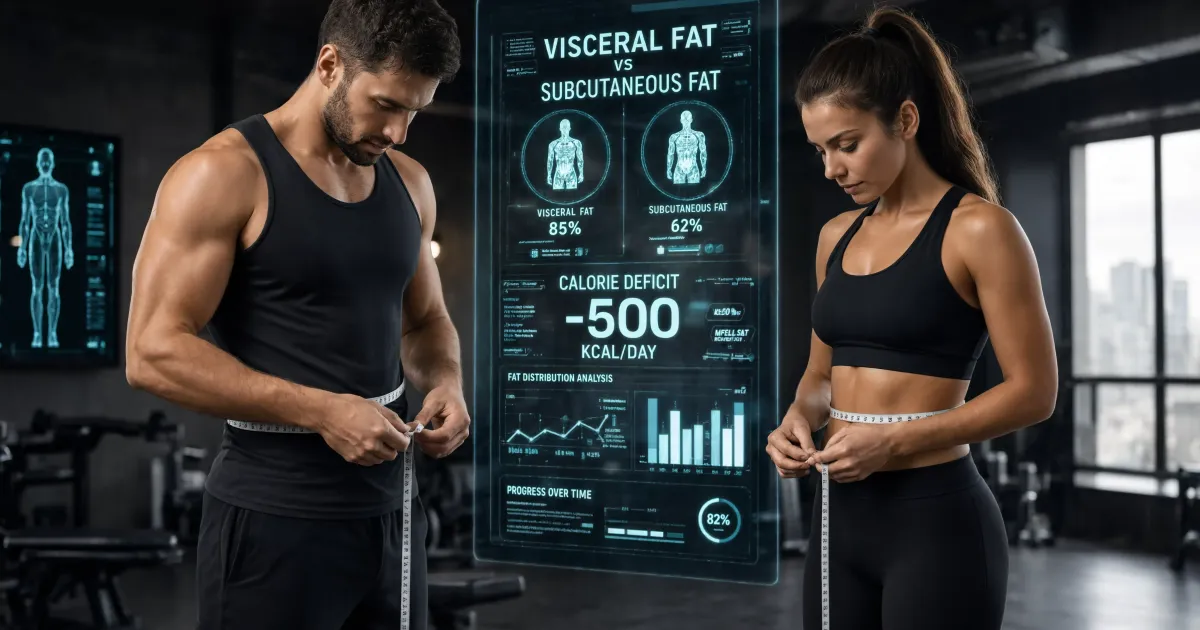
Key Takeaways & Summary
Crunches are not the full answer. Learn the nutrition, training, sleep, and lifestyle basics that actually support belly fat loss.
Belly fat is the most stubborn type of fat to lose. You can do thousands of crunches, but if you’re not addressing the root causes, that belly fat isn’t going anywhere. The good news? Losing belly fat is absolutely possible if you understand the science behind it.
If “how to lose belly fat” brought you here, start with practical steps.
Why Belly Fat is Different
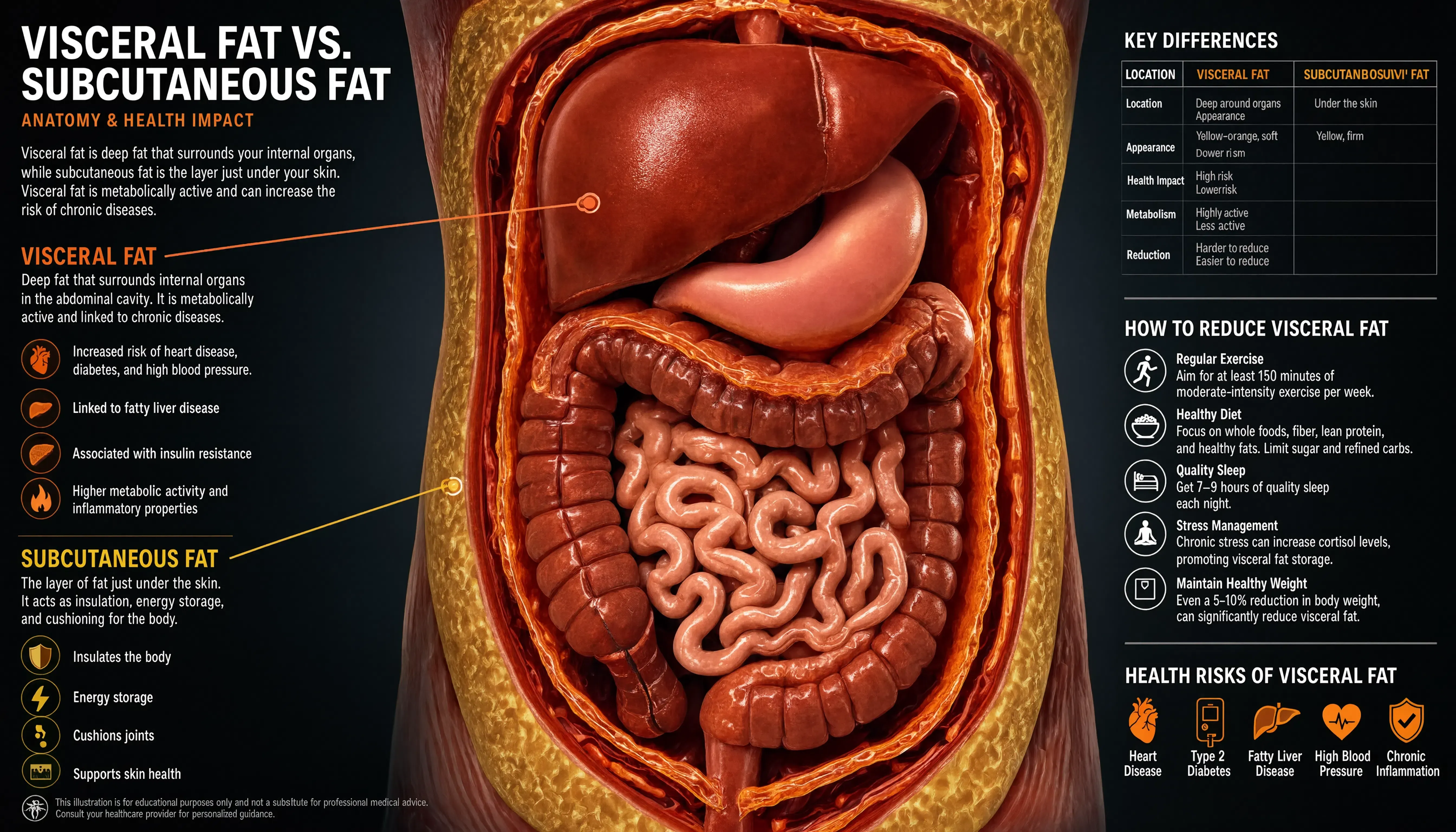
Belly fat, also called visceral fat, is different from fat on other parts of your body. It surrounds your internal organs and is metabolically active, meaning it produces hormones and inflammatory substances that can affect your health.
Research shows that visceral fat is linked to insulin resistance, inflammation, and increased risk of heart disease and type 2 diabetes. This is why losing belly fat isn’t just about aesthetics—it’s about your health.
The Role of Insulin
The primary driver of belly fat accumulation is insulin. When you eat refined carbohydrates and sugar, your blood sugar spikes, and your pancreas releases insulin to bring it back down. Over time, your cells become resistant to insulin, meaning your body needs to produce more and more insulin to do the same job.
High insulin levels tell your body to store fat, especially around the midsection. This is why people with insulin resistance often have a large belly despite not being overweight everywhere else.
The Three Pillars of Belly Fat Loss
1. Nutrition: Focus on Whole Foods
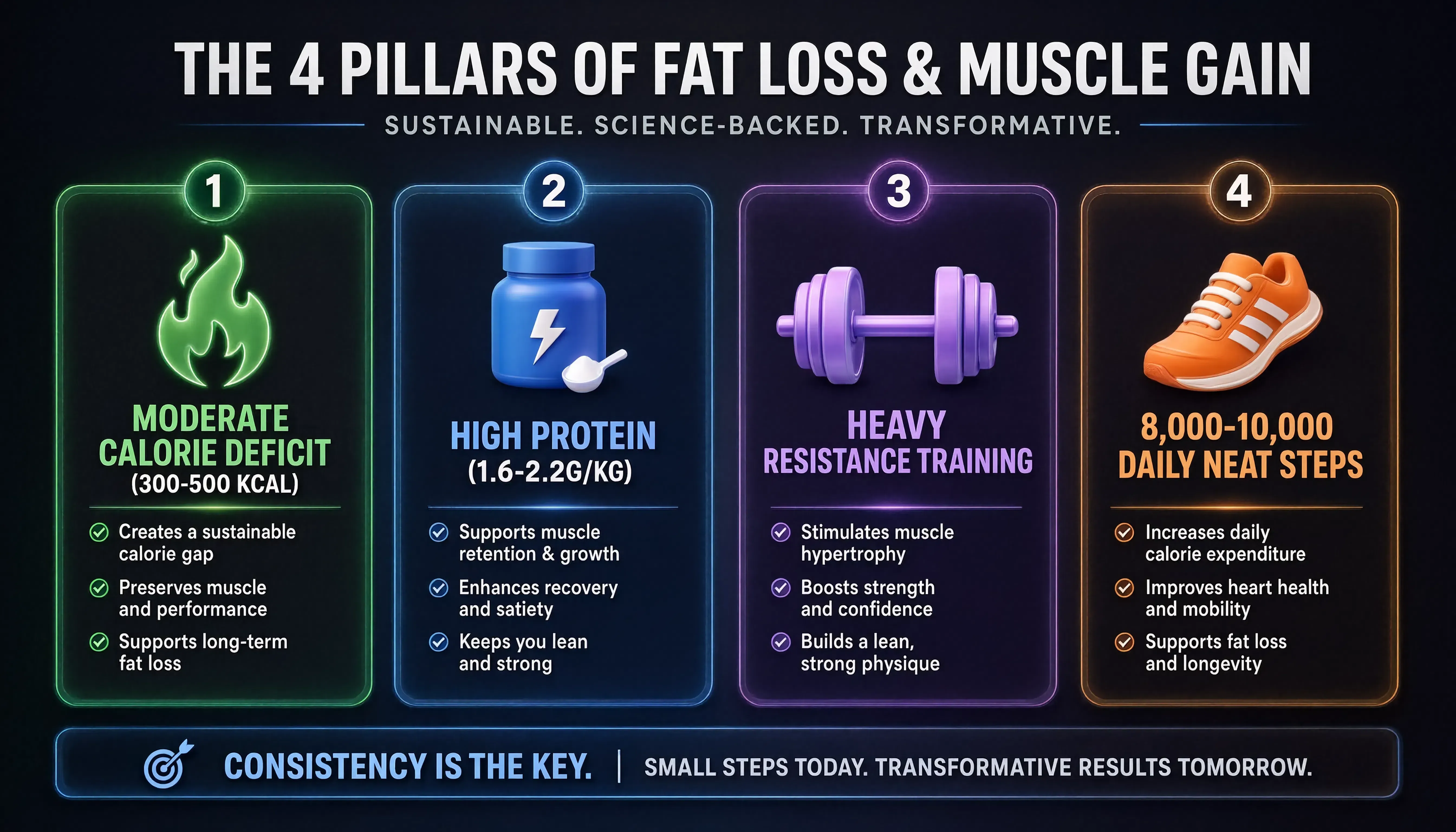
The most important factor in losing belly fat is what you eat. Here’s what the science says:
- Reduce Refined Carbs: White bread, pasta, sugary drinks, and processed foods spike your insulin levels. Replace them with whole grains, vegetables, and fruits.
- Increase Protein: Protein has a higher thermic effect, meaning your body burns more calories digesting it. It also keeps you full longer.
- Eat Healthy Fats: Don’t fear fat. Healthy fats from avocados, nuts, and olive oil help regulate hormones and reduce inflammation.
- Increase Fiber: Fiber slows digestion, stabilizes blood sugar, and keeps you full. Aim for 25-30g daily.
2. Exercise: Combine Cardio and Strength Training
While you can’t spot-reduce fat, you can lose overall body fat through exercise. The most effective approach combines:
- Cardio: 150 minutes per week of moderate-intensity cardio (like brisk walking or jogging) helps burn calories.
- Strength Training: Building muscle increases your resting metabolic rate, meaning you burn more calories at rest.
- HIIT: High-intensity interval training is particularly effective for reducing visceral fat.
3. Lifestyle: Sleep and Stress Management
These factors are often overlooked but are crucial:
- Sleep: Poor sleep increases cortisol (stress hormone), which promotes belly fat storage. Aim for 7-9 hours per night.
- Stress: Chronic stress elevates cortisol levels, leading to increased belly fat. Practice meditation, yoga, or deep breathing.
- Alcohol: Alcohol is high in calories and associated with increased belly fat. Limit your intake.
Personal Story: The Cortisol Connection
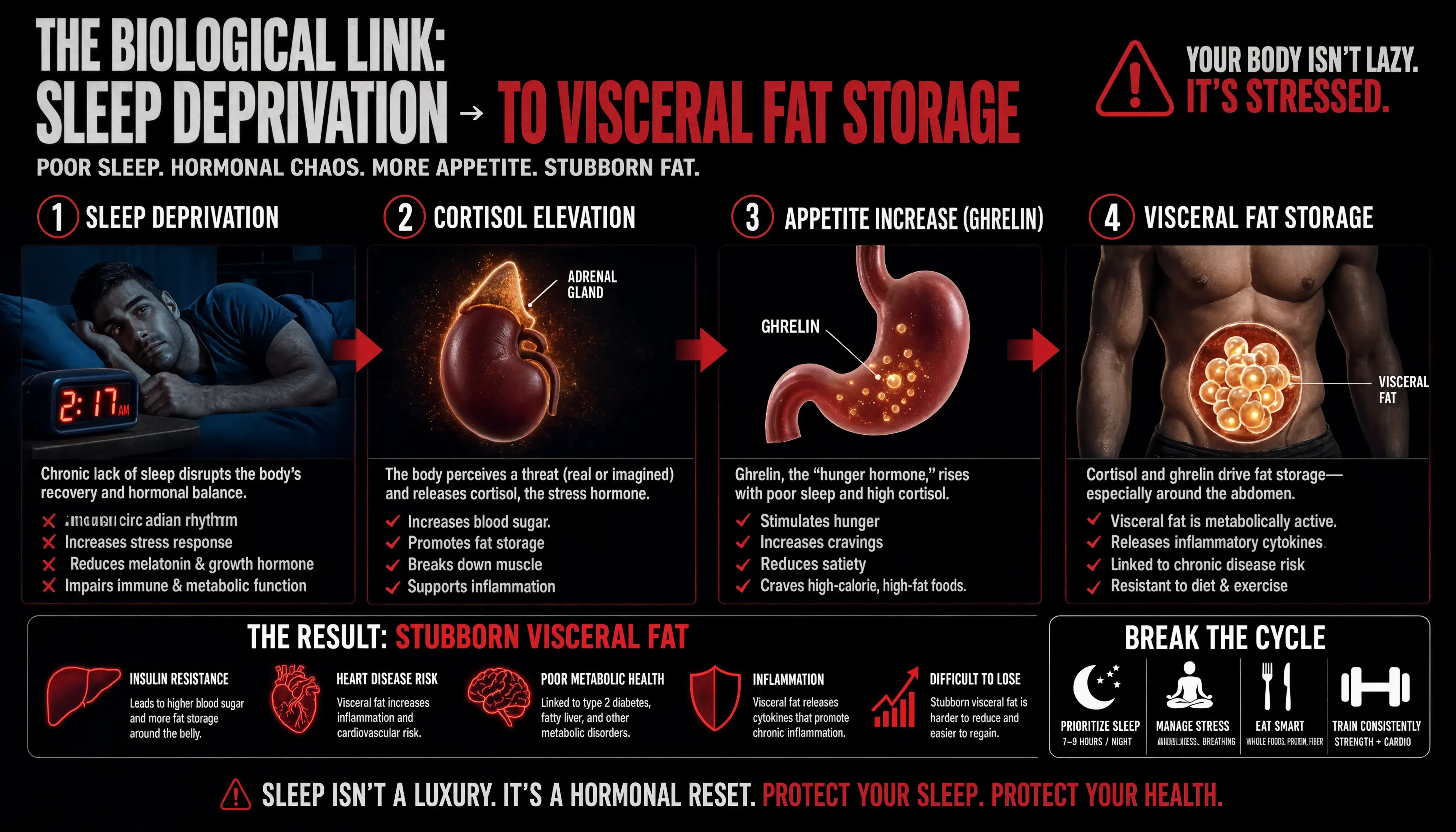
I used to think that if I just did enough crunches and ate less, I’d lose my belly fat. I was wrong. I was working 60-hour weeks, sleeping only 5 hours a night, and constantly stressed. Despite doing 100 crunches every day and eating a “healthy” diet, my belly fat wasn’t budging.
One day, my doctor suggested I check my cortisol levels. They were through the roof. She told me that all the stress and lack of sleep were causing my body to hold onto belly fat as a survival mechanism.
I made a decision to prioritize sleep and stress management. I started going to bed at 10 PM every night, started a meditation practice, and cut back my work hours. I didn’t change my exercise routine or diet significantly. Within 3 months, I lost 5 pounds of belly fat. The crunches hadn’t worked, but sleep and stress management did.
The Supplement Question
Many supplements claim to burn belly fat. The truth? Most don’t work. The only supplements with solid evidence are:
- Caffeine: Increases fat burning by 3-10%.
- Green Tea Extract: May increase fat burning by 4-5%.
- Conjugated Linoleic Acid (CLA): May help with fat loss, though the effect is modest.
These supplements might help you lose an extra pound or two, but they’re not magic. The fundamentals—diet, exercise, sleep, and stress—are what matter most.
Timeline: What to Expect
- Week 1-2: You might lose some water weight, but don’t expect major changes.
- Week 3-4: You should start noticing your clothes fitting better.
- Month 2-3: People around you might start commenting on your progress.
- Month 3-6: Significant visible changes in your belly.
- Month 6+: Continued progress as your body composition improves.
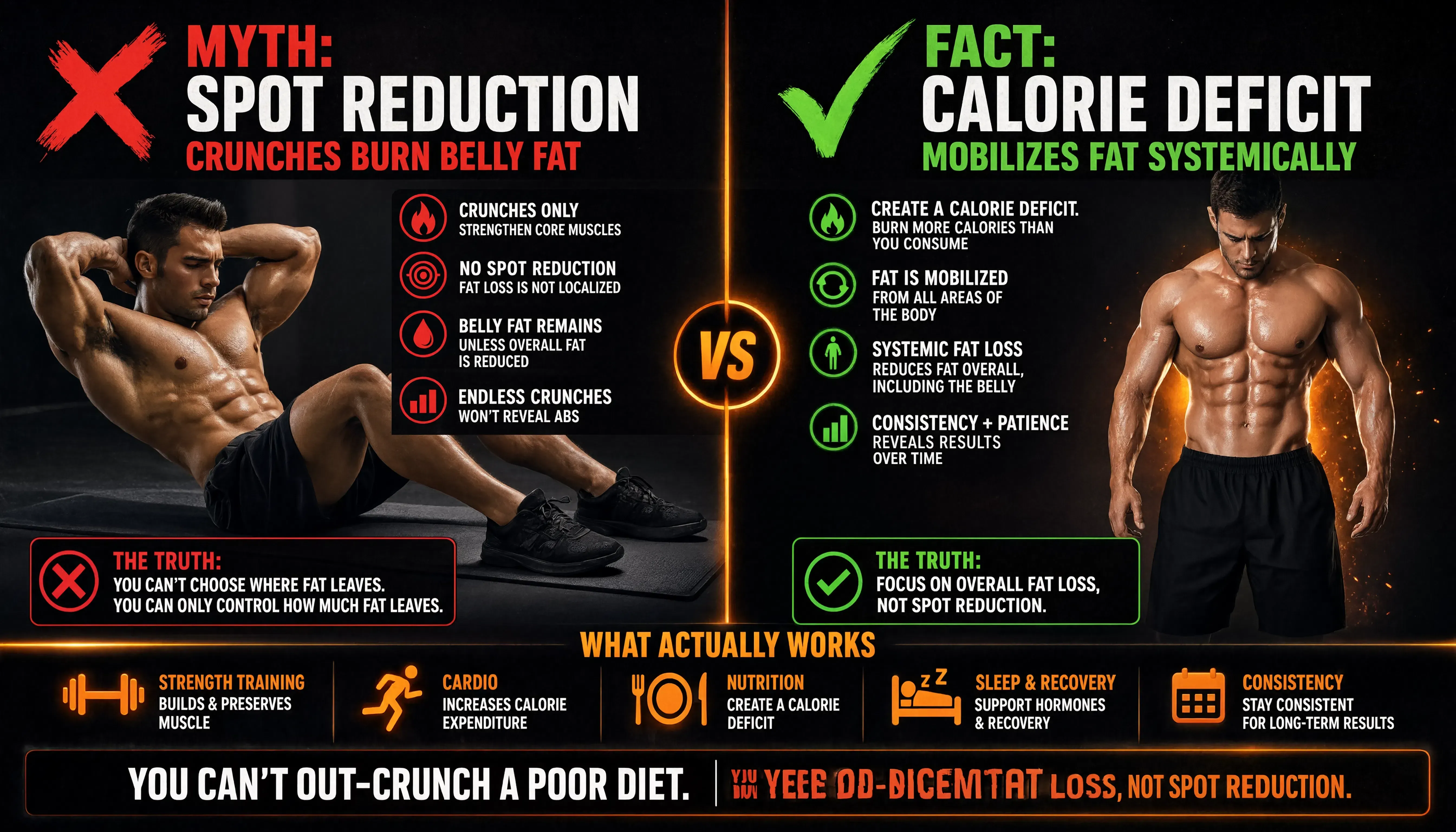
What actually shrinks a belly (and what never will)
Crunches don’t burn belly fat — spot reduction has failed in every study that’s ever tested it. The belly shrinks when overall body fat drops: calorie deficit, 8,000+ daily steps, two strength sessions a week, and sleep above seven hours (short sleep measurably shifts fat storage toward the middle). Stress matters more than the ab-roller industry admits — chronically elevated cortisol and belly fat are old friends. Give the basics 12 honest weeks. The last place fat arrived is usually the first place everyone wants it gone, and biology doesn’t take requests.
Revisit “how to lose belly fat” when new data arrives.